
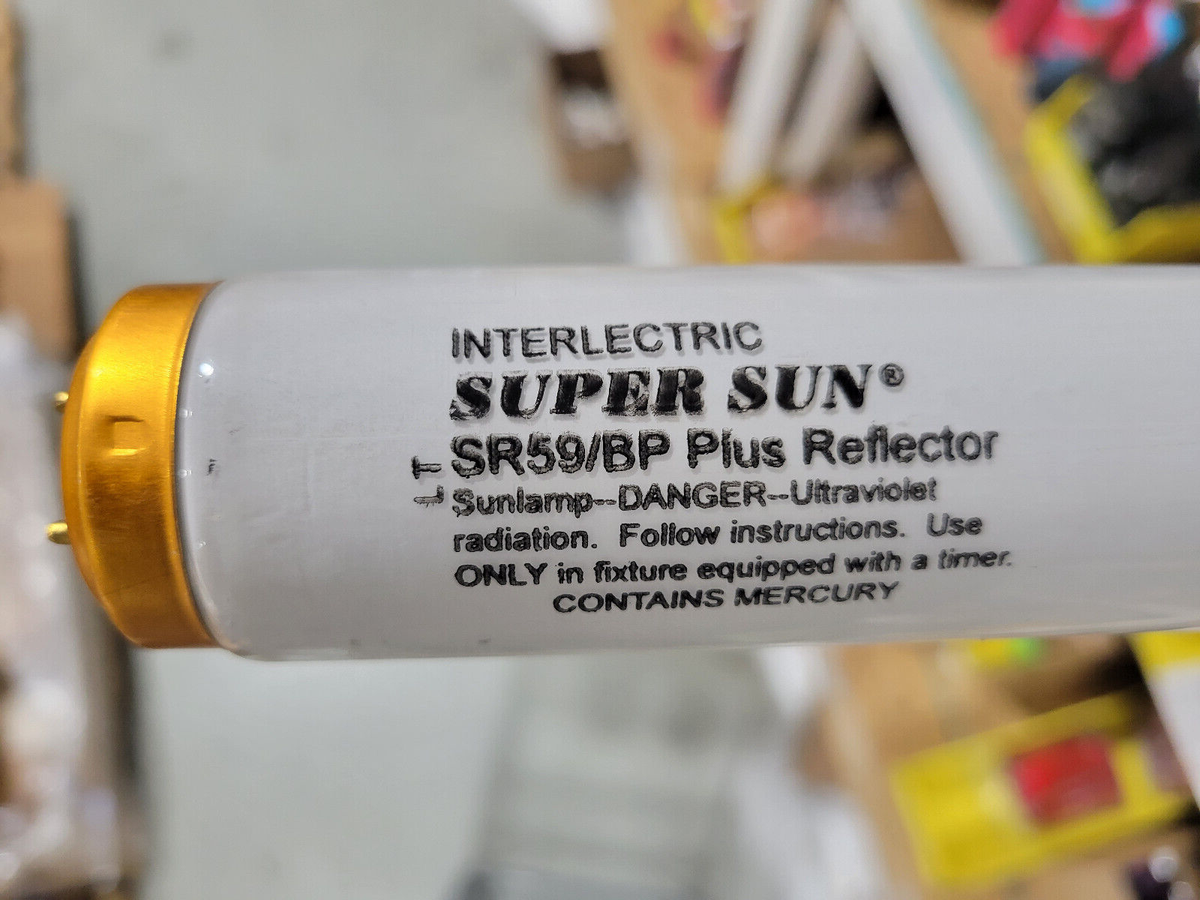
A bronzed glow still sells the fantasy of health, confidence, and “vacation skin.” But ask dermatologists whether sun lamps are the safe way to tan, and the answer is remarkably consistent: no. Despite years of marketing that framed indoor tanning as a more controlled alternative to sun exposure, skin experts say ultraviolet tanning devices still expose users to DNA-damaging radiation that accelerates aging and raises skin cancer risk. For readers following evidence-based wellness coverage on Grand Goldman, this is one beauty trend worth examining with clear eyes.
What Dermatologists Actually Say About Sun Lamps
Dermatologists do not consider UV tanning from sun lamps, tanning beds, or tanning booths to be “safe.” The central reason is simple: a tan is not a sign of skin health. It is the skin’s visible stress response after ultraviolet exposure damages cells and triggers more pigment production. The U.S. Food and Drug Administration warns that tanning devices emit UVA and sometimes UVB radiation, both of which are associated with skin burns, premature aging, eye injury, and skin cancer. The American Academy of Dermatology has gone even further, openly opposing indoor tanning for cosmetic use.
That matters because many consumers still assume artificial tanning is safer than sunbathing outside. Dermatologists say that belief is outdated. Controlled exposure is still exposure, and repeated UV sessions add up over time.
Why the “Safe Tan” Claim Falls Apart
The “safe way to tan” narrative usually rests on three ideas: that sun lamps are measured, that they help users avoid burning, and that they can create a “base tan” before vacations. Dermatologists push back on all three.
1) Controlled does not mean harmless
Sun lamps may be timed, but the radiation is still biologically damaging. The FDA notes that some advocates claim indoor tanning is less dangerous because intensity and timing are controlled, yet it says evidence supporting that claim is limited. In practice, users may expose more skin indoors than they would outdoors and may tan more frequently year-round, increasing cumulative UV dose.
2) A tan is still skin damage
Dermatologists emphasize that darker pigment after UV exposure is not a protective wellness boost. It is the body trying to defend itself after injury. The FDA states plainly that there is no such thing as a safe tan and notes that tanned skin provides only minimal protection, far below the sunscreen levels dermatologists recommend for real sun safety.
3) Base tans do not make you sun-proof
This is one of the most persistent myths in beauty and travel culture. Even if indoor tanning slightly darkens the skin, it does not meaningfully protect against later UV damage. In real-world terms, that means someone can tan indoors, still burn on vacation, and still increase long-term risk in both settings.
The Health Risks Dermatologists Worry About Most
Skin doctors usually focus on four major concerns with sun lamps: cancer risk, premature aging, eye injury, and photosensitivity reactions.
Skin cancer risk
This is the headline issue. The American Academy of Dermatology cites research showing indoor tanning can increase the risk of squamous cell carcinoma by 58% and basal cell carcinoma by 24%. FDA materials also classify UV tanning devices as hazardous and link UV exposure to melanoma and non-melanoma skin cancers.
Premature aging
Even for users who never develop cancer, repeated tanning can visibly age the skin faster. UV exposure breaks down collagen and elastin, leading to wrinkles, leathery texture, dark spots, and uneven tone. In digital PR terms, the irony is obvious: the same tool people use for “looking better” can speed up the exact cosmetic damage many later try to reverse with expensive skincare and treatments.
Eye damage
Without proper protection, UV tanning can injure the eyes. The FDA warns of both short-term and long-term eye risks, including painful corneal irritation and cataract-related concerns. Dermatologists and eye specialists alike tend to treat this as an under-discussed but very real hazard.
Unexpected reactions
Some medications and skincare products can make skin far more UV-sensitive than people realize. That includes certain antibiotics, acne treatments, hormonal medications, and topical actives. Dermatologists regularly caution that what feels like a “normal” tanning session for one person can trigger a severe burn or irritation in another.
What About Home Sun Lamps?
Home tanning devices are often marketed as more convenient and private than salon equipment, but dermatologists do not see that as a safety upgrade. The FDA regulates sunlamp products and requires warnings, timers, exposure schedules, and protective eyewear guidance, yet even compliant products still carry risk. Convenience can actually make overuse easier because the barrier to repeated sessions disappears.
Consumers also need to distinguish between UV tanning lamps and other “light” products sold online. Red light therapy, SAD lamps, and cosmetic LED devices are not the same as UV tanning equipment, and mixing those categories can create dangerous misunderstandings when shopping.
The Dermatologist-Approved Alternative
If the goal is appearance rather than UV exposure, dermatologists overwhelmingly point toward sunless tanning products instead. Self-tanners and bronzing lotions can create the look of a tan without exposing skin to ultraviolet radiation. The FDA notes that many of these products use DHA to darken the outermost layer of skin temporarily. That does not make them skincare miracles, but it does make them far safer than UV tanning from a skin cancer standpoint.
One critical caveat: a faux tan is not sunscreen. Even if skin looks bronzed, users still need daily SPF because sunless tanners do not automatically protect against UV unless a product specifically includes sunscreen and is labeled accordingly.
For readers comparing products, routines, and device categories, this guide to the best sun lamp for tanning is most useful when approached with one key question in mind: are you shopping for cosmetic color, therapeutic light, or actual UV tanning? Dermatologists would argue those are not interchangeable goals, and treating them like they are is where many consumers get misled.
Final Verdict
So, are sun lamps the safe way to tan? Dermatologists say no, and the science backs them up. A UV tan, whether from the beach, a salon, or a home lamp, still reflects skin injury and still contributes to cumulative damage. If someone wants a bronzed look without paying for it later in wrinkles, sunspots, or worse, the safer lane is sunless color plus sunscreen, not ultraviolet exposure.
In a beauty market crowded with shortcuts and “wellness glow” promises, this is one answer that stays refreshingly unambiguous: the safest tan is the one that does not require UV at all.