
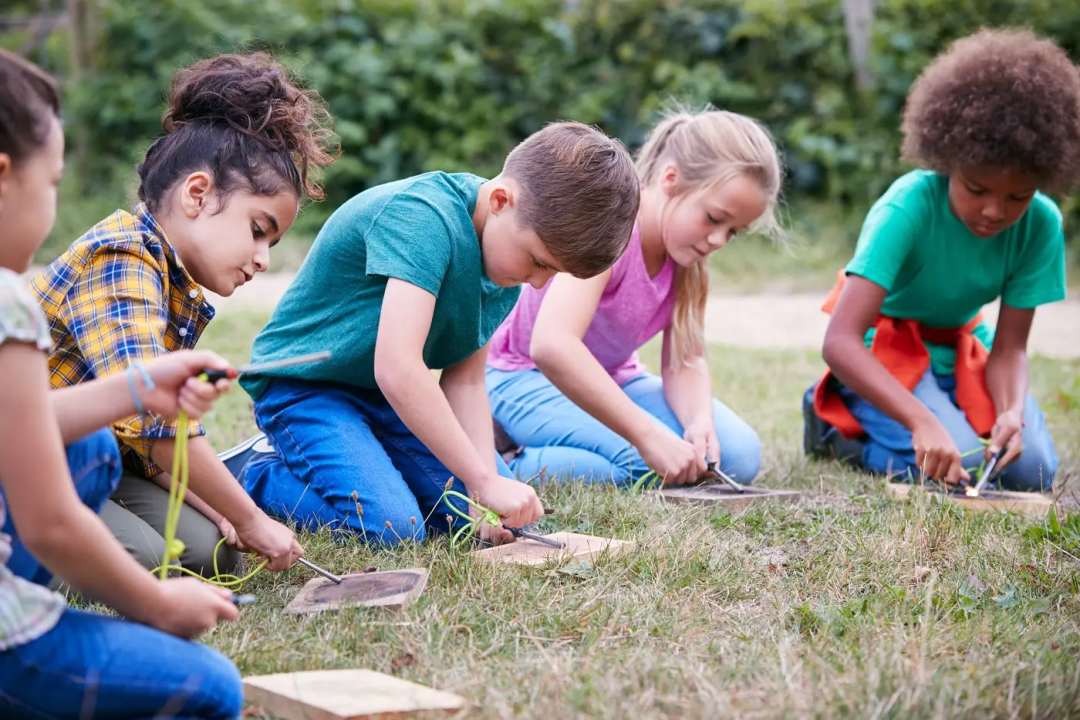
Education does not end when school or college does. While classrooms provide structure and foundational knowledge, real learning continues throughout life—shaped by experiences, challenges, curiosity, and personal growth. Education beyond classrooms prepares individuals not just for exams, but for life itself.
Understanding Learning Beyond Formal Education
Traditional education focuses on subjects, grades, and certifications. Learning beyond classrooms emphasizes skills, values, and adaptability. It includes everything learned through real-world experiences, self-discovery, and continuous practice.
This form of education helps people navigate careers, relationships, and personal challenges more effectively.
Learning Through Experience
Some of life’s most powerful lessons come from experience:
Working in teams
Managing failure and success
Traveling and adapting to new cultures
Solving real-world problems
Experiential learning builds confidence, resilience, and practical intelligence that textbooks alone cannot teach.
The Role of Self-Learning
With access to digital tools, learning has become more personalized than ever. Online courses, tutorials, podcasts, and books allow individuals to learn at their own pace and according to their interests.
Self-learning encourages curiosity, discipline, and independence—skills essential in a rapidly changing world.
Skill-Based Learning for Real Life
Beyond academic knowledge, life demands practical skills such as:
Communication and critical thinking
Financial literacy
Emotional intelligence
Time management and leadership
These skills shape long-term success and are often developed outside formal classrooms.
Learning From People and Communities
Mentors, peers, family, and communities play a crucial role in lifelong learning. Conversations, shared experiences, and collaboration help individuals gain perspectives that no syllabus can offer.
Community learning fosters empathy, social responsibility, and cultural awareness.
Adapting to a Changing World
Technology, industries, and societies evolve constantly. Lifelong learning helps individuals stay relevant, adaptable, and confident in the face of change. Those who continue learning are better equipped to handle career shifts and emerging opportunities.
Education as a Mindset
Learning for life is not about collecting degrees—it’s about cultivating a mindset of growth. Curiosity, openness to feedback, and the willingness to unlearn and relearn define true education beyond classrooms.
Final Thoughts
Education beyond classrooms shapes thoughtful, capable, and resilient individuals. By embracing lifelong learning—through experience, self-study, and human connection—we prepare not just for jobs, but for meaningful, well-lived lives.