
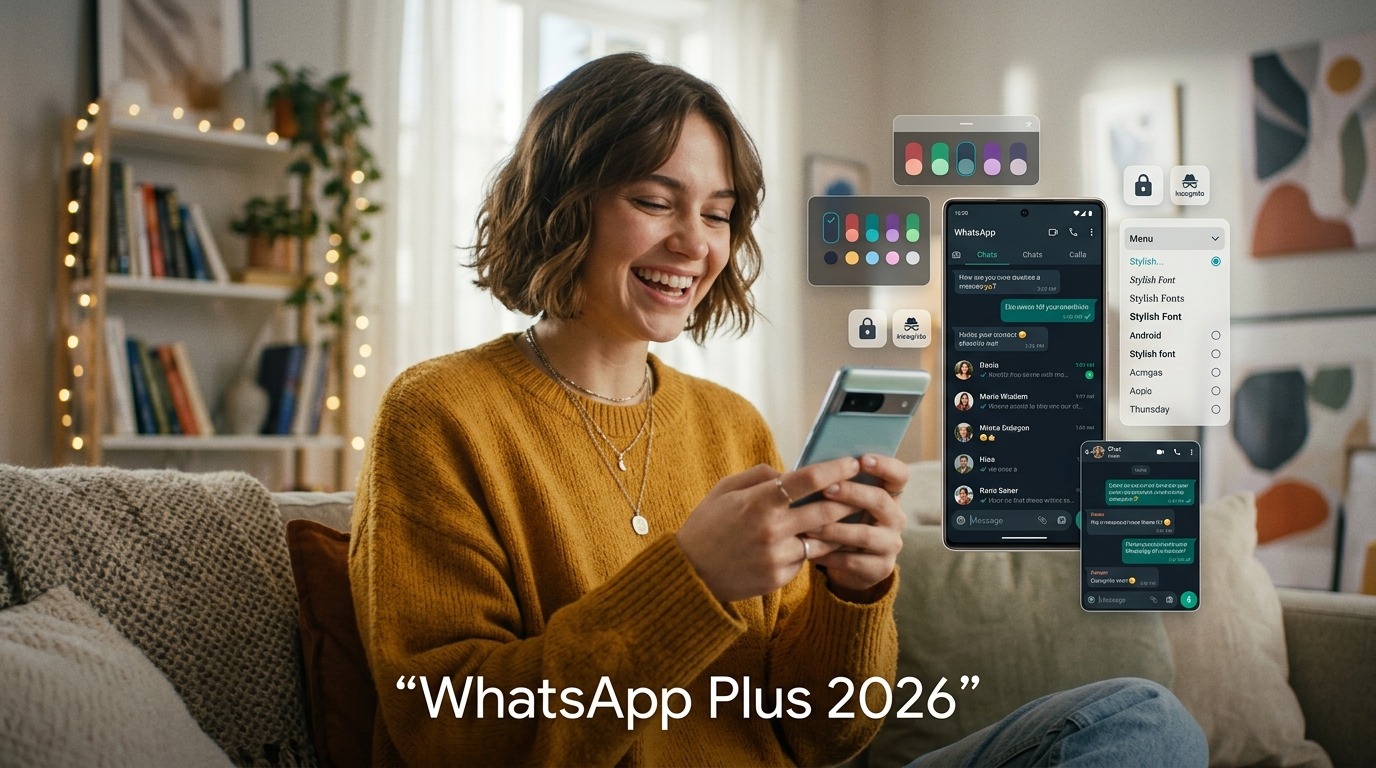
Modern messaging apps are no longer limited to simple conversations. People now expect communication platforms to reflect personality, style, and daily habits in a more personalized way. This growing demand explains why interest around WhatsApp Plus 2026 continues increasing among Android users who want greater flexibility, visual customization, and advanced communication experiences.
Today’s users spend hours inside messaging apps for work, entertainment, business discussions, gaming communities, and social interaction. Because these platforms have become such an important part of daily life, users naturally want interfaces that feel visually comfortable and personally connected to their preferences.
The rise of customization culture has transformed messaging apps into digital spaces where people express individuality through themes, layouts, typography, wallpapers, and communication styles.
Messaging Apps Are Becoming Personal Digital Environments
A few years ago, messaging platforms focused mainly on fast delivery and reliable performance. While those features still matter, modern users now expect much more from their communication experience.
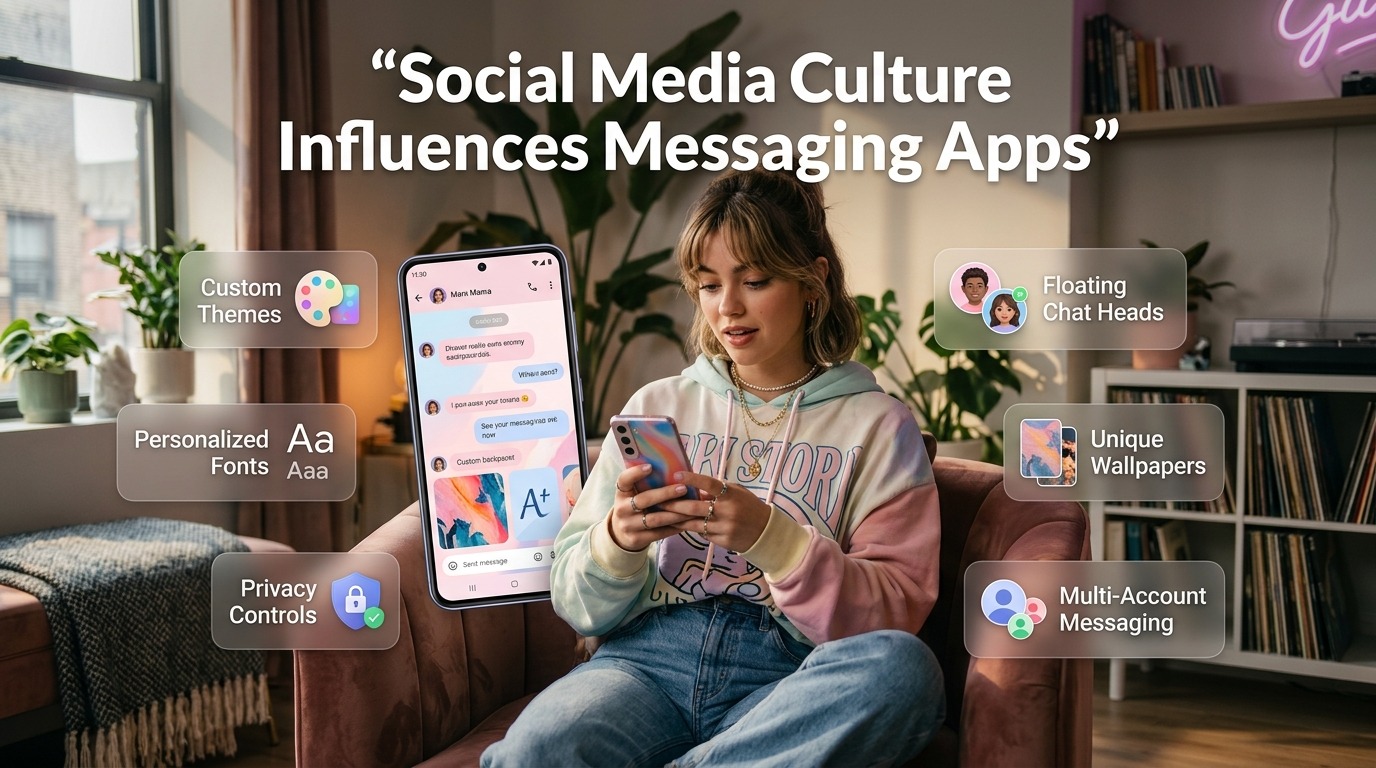
The influence of social media aesthetics has played a major role in this shift. Platforms like Instagram and TikTok normalized digital self-expression through visuals, profile design, and personalized content styles. As a result, users now expect messaging apps to provide similar creative flexibility.
Many Android users prefer cleaner and more customizable environments because they create a calmer and more organized communication experience. Personalized layouts often improve readability, reduce visual clutter, and make conversations feel more enjoyable during long daily usage sessions.
This trend is especially visible among younger audiences who already personalize home screens, widgets, app icons, and social profiles. Messaging apps have naturally become another extension of digital identity.
Why Android Users Value Personalization So Strongly
Android has always been associated with flexibility and user freedom. Unlike more restricted ecosystems, Android allows people to customize interfaces according to personal preferences, which explains why customization culture remains extremely popular among Android communities.
Modern users increasingly look for features such as:
custom themes and wallpapers
privacy-focused communication settings
personalized fonts and layouts
multi-account convenience
organized chat management
enhanced visual design options
These features are no longer viewed as extra additions. For many people, they are becoming part of the standard communication experience expected from modern messaging apps.
Customization also creates a stronger emotional connection between users and their apps. When people modify interfaces to fit their own preferences, the experience feels more personal and comfortable rather than generic.
How WhatsApp Plus 2026 Reflects Modern Communication Trends
The continued popularity of discussions around WhatsApp Plus 2026 reflects the larger movement toward user-controlled messaging experiences. Many Android users actively search for platforms and ecosystems that provide more flexibility than traditional default interfaces.
Instead of using identical layouts shared by millions of users, people increasingly prefer communication spaces that feel unique to their personality and habits. This includes visual organization, cleaner themes, customizable notifications, and more adaptable chat experiences.
Modern communication is no longer only about functionality. Visual presentation now directly affects how users interact with apps emotionally and psychologically. A clean and personalized interface can make communication feel less stressful and more engaging throughout the day.
This explains why aesthetic communication trends continue growing across Android customization communities.
Visual Design Now Plays a Major Role in User Experience
The design of a messaging app significantly influences how comfortable conversations feel during daily use. Cluttered interfaces can become tiring, while organized and visually balanced layouts often improve focus and readability.
Many users now prefer minimalist designs because they reduce distraction and create a smoother communication flow. Personalized themes also help users separate work conversations, private chats, gaming communities, and business communication more effectively.
A university student from Jakarta recently shared on an Android forum that customizing messaging themes and organizing conversations visually helped improve productivity during online classes and freelance projects. The ability to structure chats more clearly reduced confusion and made communication feel easier to manage throughout busy days.
Stories like this show how personalization is evolving beyond aesthetics alone. For many people, it directly improves usability and communication efficiency.
Social Media Culture Continues Influencing Messaging Platforms
Digital aesthetics now influence almost every part of online interaction. Users increasingly expect messaging apps to feel visually modern, adaptive, and personalized in the same way social media platforms evolved over the past decade.
This growing expectation explains why Android communities continue discussing interface customization, theme personalization, privacy improvements, and advanced communication layouts so actively online.
Many people searching for terms related to whatsapp plus yesi mods última versión descargar are often interested in these broader personalization trends. They want communication environments that feel visually unique, flexible, and more aligned with their personal preferences.
As digital communication becomes more integrated into daily life, users naturally expect more control over how their messaging platforms look and function.
The Future of Messaging Apps Will Focus on Personalization
The future of messaging apps will likely center around adaptive and highly personalized experiences. Developers increasingly recognize that users want communication platforms that feel tailored to their habits, visual preferences, and organizational needs.
Future messaging ecosystems may include smarter interface customization, AI-assisted personalization, adaptive layouts, and deeper productivity integration. Communication platforms will continue evolving into more user-centered environments rather than simple text-based utilities.
This shift highlights how modern communication is becoming closely connected to comfort, creativity, organization, and digital self-expression.
As Android personalization trends continue expanding, many users also explore resources like Wap Plus APK to stay updated with evolving messaging customization experiences and modern Android communication trends.
Frequently Asked Questions
Why are customizable messaging apps becoming more popular?
Users increasingly prefer apps that allow them to personalize themes, layouts, fonts, and privacy settings because these features create a more enjoyable and comfortable communication experience.
Do personalized messaging interfaces improve productivity?
For many users, yes. Organized layouts and cleaner interfaces often make conversations easier to manage and reduce visual clutter during daily communication.
Why is Android customization culture so strong?
Android provides greater flexibility for modifying interfaces and app behavior, making personalization a core part of the Android experience.
How do social media trends affect messaging apps?
Social media platforms increased the importance of digital aesthetics and personal identity online, which now influences messaging app design expectations.
What personalization features are most popular in messaging apps?
Themes, privacy controls, multi-account support, custom fonts, aesthetic layouts, and visual organization features remain highly popular among Android users.
Final Thoughts
Digital self-expression is becoming one of the most important forces shaping modern messaging apps. Users now want communication platforms that match their personality, improve comfort, and create visually engaging experiences during everyday conversations.
As messaging apps continue evolving beyond basic communication tools, personalization and flexible design will remain central to the future of Android communication.