
Software powers almost everything we do today—from mobile apps and websites to banking systems and smart devices. If you’re new to technology, understanding how software works may seem complex, but the basics are easier than you think. This beginner-friendly guide breaks it down step by step.
What Is Software?
Software is a set of instructions that tells a computer what to do. Unlike hardware (the physical parts of a device), software is intangible. It includes operating systems, applications, and programs that help users perform specific tasks.
Examples of software include web browsers, mobile apps, word processors, and even the system that runs your smartphone.
How Software Is Created
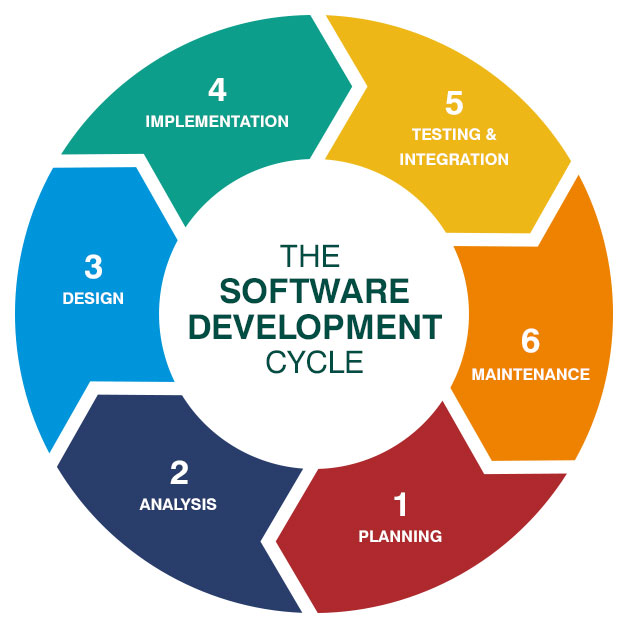
Software begins as an idea. Developers analyze a problem and design a solution using logic and structure. This plan is then converted into code using programming languages such as Python, JavaScript, or Java.
Once written, the code is tested, refined, and improved before being released for real-world use.
The Role of Code
Code is the language used to communicate with computers. Since computers only understand binary (0s and 1s), programming languages act as a bridge between human logic and machine instructions.
Each line of code performs a specific action—displaying text, saving data, or responding to user input.
Input, Processing, and Output
At its core, software follows a simple cycle:
Input – The user provides data (clicks, typing, uploads)
Processing – The software analyzes and processes the data
Output – The software delivers a result (screen display, response, file)
This cycle repeats continuously while the software is running.
Frontend vs Backend
Most modern software has two main parts:
Frontend – What users see and interact with (buttons, screens, layouts)
Backend – The logic behind the scenes (databases, servers, calculations)
The frontend sends requests to the backend, which processes data and sends responses back.
How Software Runs on Devices
Software relies on an operating system to function. The operating system manages hardware resources like memory and storage, ensuring programs run smoothly and securely.
When you open an app, the operating system loads the software into memory and allows it to communicate with your device’s hardware.
Updates and Maintenance
Software is never truly finished. Developers release updates to fix bugs, improve performance, and add new features. Regular maintenance ensures software stays secure and compatible with new technologies.
Why Software Matters
Software enables communication, automation, creativity, and innovation. From business operations to entertainment and education, software simplifies tasks and expands what humans can achieve with technology.
Final Thoughts
Understanding how software works helps demystify technology and empowers you to use it more confidently. Whether you want to learn coding or simply understand the digital world better, knowing these fundamentals is a great first step.