
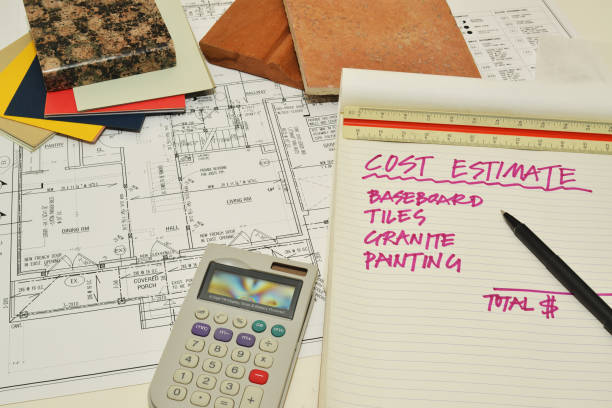
Planning a large construction project comes with a lot of moving parts, and one of the most important is understanding your material costs. Whether you’re building a commercial structure, an agricultural building, or a custom home, having a solid estimate can help you avoid budget surprises and keep everything running smoothly.
Below is a simple, practical way to break the process down into manageable steps.
Start With Clear Plans
Every accurate estimate begins with detailed construction plans. Blueprints or drawings give you a clear picture of what materials are needed and in what quantities. Without them, it’s easy to overlook key components or underestimate totals.
If your plans are still being finalized, it’s wise to leave some room in your budget for adjustments. Even small design changes can affect material needs.
Create a Complete Material List
Once your plans are ready, the next step is putting together a full material list, often called a “takeoff.” This includes everything your project requires, from large structural components down to smaller items like brackets, fasteners, and connectors.
It’s easy to focus on the big-ticket materials and forget the smaller details, but those smaller items can add up quickly. A thorough list will give you a much more accurate overall estimate.
Get Accurate Pricing
With your material list in hand, you can begin gathering pricing. This is where working with a trusted source makes a big difference. Reaching out to a reliable metal supplier Idaho Falls builders depend on can help you get current and realistic pricing.
Material costs can change due to supply and demand, so using outdated numbers can lead to serious budget issues. It’s also a good idea to ask about bulk pricing if your project is large, since even small discounts per unit can result in meaningful savings.
Factor in Material Waste
No project is perfectly efficient. There will always be some level of waste due to cutting, mistakes, or damaged materials. A common guideline is to add an extra 5 to 10 percent to your totals to account for this.
While it might feel like overestimating, this buffer can prevent delays and last-minute purchases that often come at a higher cost.
Consider Delivery and Logistics
Material costs don’t stop at the purchase price. Delivery fees, fuel costs, and scheduling can all affect your overall budget. Working with a local metal supplier Idaho Falls contractors trust can help reduce transportation costs and simplify logistics.
Local suppliers can also be more flexible if you need additional materials or adjustments during the build.
Plan for Storage and Handling
Large quantities of materials need to be stored properly to avoid damage, weather exposure, or theft. If your job site doesn’t have enough space, you may need to arrange for off-site storage.
Handling materials safely and efficiently also plays a role. Poor storage or organization can lead to waste and added expenses.
Understand the Impact on Labor
Material choices can affect more than just your supply costs. Some materials take longer to install or require specialized handling, which can increase labor time.
Choosing quality materials from a dependable supplier often makes installation smoother and more efficient, which can help keep labor costs under control.
Build in a Contingency Budget
Even with careful planning, unexpected costs can come up. Price changes, delays, or design modifications can all impact your budget.
Setting aside an extra 10 to 15 percent as a contingency can give you peace of mind and help you handle surprises without slowing down your project.
Keep Communication Open
Staying in touch with your suppliers and contractors throughout the project is key. Regular communication helps you stay informed about pricing changes, availability, and timelines.
Building a strong relationship with your supplier can also lead to better service, faster turnaround times, and helpful insights that keep your project on track.
Estimating material costs for a large build takes time and attention to detail, but it’s well worth the effort. When you start with clear plans, create a thorough material list, and work with trusted partners, you set your project up for success.
With the right approach, you can avoid unnecessary surprises and keep your build moving forward with confidence.