
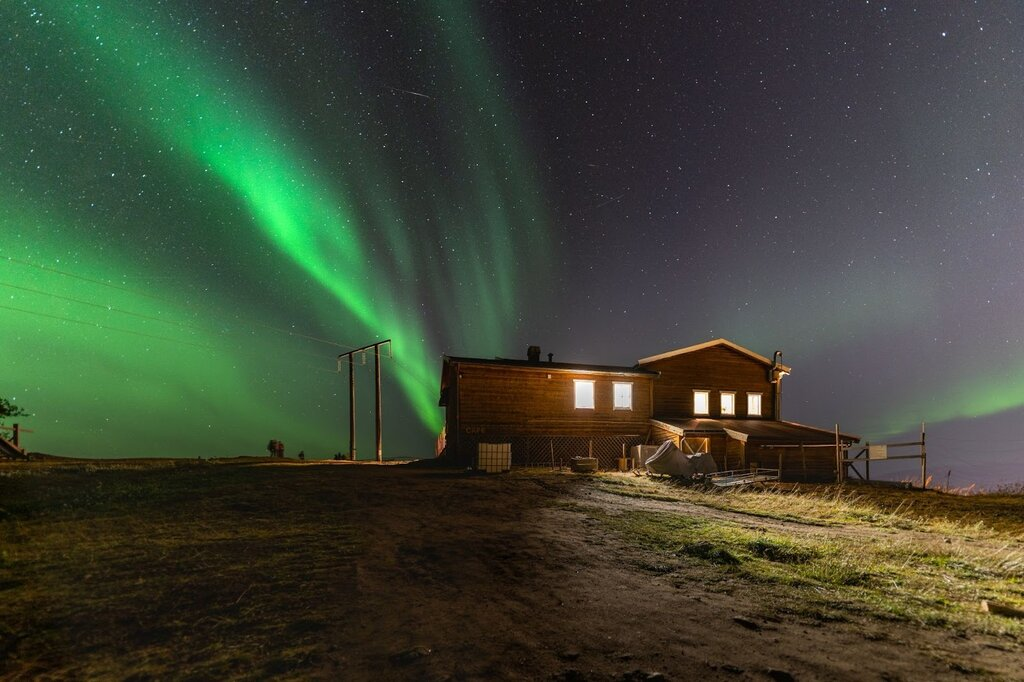
There’s something magical about Iceland that makes it perfect for a romantic getaway. From the dancing northern lights to cozy nights in charming cabins, every moment feels like a story waiting to unfold. Whether you’re strolling along black sand beaches, soaking in warm geothermal pools, or sharing quiet time under the stars, Iceland has a way of bringing couples closer together. Planning a trip here might seem overwhelming, but with a little guidance, you can turn it into an unforgettable adventure filled with wonder, relaxation, and moments that you’ll treasure forever.
Romance-First Trip Design (Before Booking Anything)
Begin by pinpointing whether you're the "slow-paced and snuggly" type or "adrenaline and spectacle" chasers.
Couple Travel Styles That Shape the Perfect Experience
Certain partnerships flourish on minimal driving, extended soaks, and intimate cabin meals by candlelight. Others hunger for glacier treks, ice cave exploration, and snowmobile rushes. There's no right answer, but style clashes breed tension.
Privacy-oriented accommodations, remote cabins or boutique farm properties, satisfy introverts beautifully. Gregarious lodges featuring communal meals click if you appreciate fellow travelers' company. Quiz each other: How comfortable are we driving in winter conditions? Does a serious cold bother us? What's our actual spending limit? Does this trip commemorate something major, perhaps a proposal?
Traveling across Europe becomes even smoother with an eSIM. Whether you're hopping between countries, navigating unfamiliar cities, or checking real-time updates like weather conditions or aurora forecasts, seamless connectivity keeps your trip flexible and stress-free — without the usual roaming worries.
With an esim europe in your pocket, staying connected across regions becomes effortless, letting you adjust plans on the fly or check real-time aurora forecasts without roaming hassles.
Setting the Trip Length for the Best Balance
Three to four nights delivers a Reykjavík-meets-South-Coast appetizer. Five to seven nights represents the goldilocks zone: Golden Circle rural landscapes, South Coast showstoppers, and multiple aurora-worthy evenings without burnout.
Eight to ten days permits adding Snæfellsnes or pushing north for darker horizons and thinner tourist traffic. Incorporate one "wildcard night", a movable evening you can deploy chasing cloudless skies or recuperating from storm disruption.
Now that your ideal trip architecture is clear, let's address the heavyweight question couples constantly raise: when exactly should we visit to maximize both aurora sightings and romantic atmosphere?
Best Time to See Northern Lights in Iceland (and Avoid Common Disappointments)
Your timing directly determines whether you witness dancing lights or endless cloud cover.
Month-by-Month Romance and Aurora Conditions
September and October bring gentler temperatures, off-peak rates, and autumn hues, though darkness arrives later. November through January provides maximum darkness and fairy-tale winter scenery, even as storm frequency spikes. February and March strike a sweet balance between robust aurora potential and lengthening daylight, typically offering the smoothest overall experience. April becomes your final opportunity; darkness vanishes rapidly, yet spring's earliest whispers emerge. The best time to see northern lights in Iceland transcends simple calendar dates, it demands aligning your cold-weather threshold and adaptability with each season's inherent compromises.
Aurora Success Factors Couples Can Control
Cloud cover trumps solar activity every time. Position yourself near varied microclimates so a thirty-minute drive unlocks better conditions. Light pollution murders auroras; select rural accommodations with legitimate dark-sky access. KP index numbers help, but they're not gospel, low KP evenings still produce spectacular shows under clear conditions. Mobility becomes your secret weapon; inflexible schedules lose consistently.
Selecting your month establishes the framework, but aurora success isn't luck-dependent, it hinges on managing variables most tour companies conveniently skip mentioning.
Sleep-Friendly Aurora Chasing for Couples
Reserve at minimum two nights in countryside locations, this "two-night rule" radically boosts your chances. Certain lodges provide aurora wake-up services; others assume you'll self-monitor. Stage hot chocolate or tea within reach, position warm layers beside the exit, and prep a quick-setup tripod for photography attempts. Streamlined routines eliminate frustration when one person wants extended viewing time.
Armed with scheduling insights, decision point: should you reserve a guided aurora tour, or pursue the lights independently on your terms?
Choosing Your Iceland Northern Lights Tour (Private, Small-Group, or Self-Drive)
Tours demonstrate wild variations in intimacy levels and adaptability.
Tour Types and Which Feels Most Romantic
Private tours command premium pricing but guarantee intimacy and photographic assistance minus strangers. Small-group tours present value and social dynamics, perfectly acceptable if sharing the moment doesn't bother you. Super Jeeps tackle rougher landscapes and project luxury; standard minibuses cost less but sacrifice adventure factor. An Iceland northern lights tour elevates your experience substantially when you prioritize expert knowledge and zero navigation anxiety.
Key Questions to Ask Before Booking
What distance limits their chase policy? Do they permit rebooking during bad weather? Can you cancel without penalties? Will guides assist with camera configurations or couple photography? When do pickups occur, and what time do you typically return? These specifics separate enchanting memories from logistical nightmares.
If independence appeals to you (plus the freedom to stop whenever wonder strikes), here's your roadmap for self-directed aurora hunting minus the anxiety.
Self-Drive Aurora Nights Without Stress
Construct a "Plan A / Plan B / Plan C" route system radiating from your lodging base. Download offline maps, yet maintain dependable data access for live aurora predictions, unexpected road closures, and spontaneous adjustments in remote zones, an esim solution offers straightforward connectivity when cabin Wi-Fi proves weak or unreliable. Safety dominates: never drive during extreme winds or blizzard conditions. When conditions deteriorate, shelter in place. Auroras repeat; you definitely don't want a rescue story.
With your aurora approach secured, let's construct the actual day-to-day framework, engineered around romance primarily, logistics secondarily.
The Ultimate Iceland Couples Itinerary (Romance-Forward, Minimal Backtracking)
These itineraries harmonize aurora probability with intimate moments.
Five-Day Romantic Getaway
Day one: Arrive in Reykjavík, enjoy intimate dining, visit a rooftop bar for drinks, then attempt casual aurora surveillance if conditions allow. Day two: Golden Circle during optimal timing, followed by countryside cabin check-in. Day three: South Coast cascades and volcanic beaches, concluding with private hot tub evening. Day four: Select one glacier activity, luxuriate in geothermal waters, and identify a proposal-worthy location. Day five: Adaptable weather day, spa session in Reykjavík or café exploration before flight. This Iceland couple's itinerary maximizes emotional impact per kilometer traveled.
If five days seems compressed (or you desire enhanced aurora odds through additional rural nights), the seven-day framework provides optimal balance between exploration and relaxation.
Seven-Day Itinerary with Two Cabin Bases
Allocate two to three nights in Golden Circle countryside, then equivalent time near Vík or along the South Coast. Conclude with one Reykjavík night for dining sophistication and airport convenience. Integrated storm-day alternatives per segment maintain low stress. Dual bases minimize driving exhaustion and double your aurora opportunities.
Final Thoughts on Your Icelandic Romance
Iceland abundantly rewards couples who strategize thoughtfully. Select your season, secure cabins early, and weave flexibility throughout each day. Welcoming approximately 2.3 million international visitors in 2026, essentially double 2015 figures and roughly six times the resident population (BBC Travel), the country's surging popularity means advance booking carries unprecedented importance. Harmonize aurora pursuits with effortless cozy intervals: sunrise coffee pauses, geothermal immersions, cabin feasts. Resist overpacking schedules; magic frequently materializes during spontaneous breaks. Allocate resources toward one or two strategic splurges, a private tour, a premium lagoon, a chef's table, rather than diluting your budget. Maintain connectivity for real-time weather and road intelligence so spontaneity doesn't morph into chaos. Crucially, architect your trip around *your* couple personality, not someone else's curated feed. Iceland supplies northern lights and intimate nights equally, but only when you honor the weather, embrace adaptability, and prioritize connection over Instagram validation.
Your Iceland Romance Questions, Answered
Is Iceland a good couples trip?
If you share genuine enthusiasm for jaw-dropping landscapes, unexplored frontiers, and incredibly soothing hot springs, you're guaranteed to spend phenomenal travel time in romantic Iceland.
Can we see the northern lights without booking a tour?
Absolutely. Self-driving grants you adaptability to pursue clear skies and stop whenever auroras materialize, though tours deliver expert guidance and photographic support.
Is February or March better for northern lights and comfort?
March frequently wins: vigorous aurora activity, marginally longer days, and slightly warmer temperatures. February's darker yet stormier. Both function well, align with your cold tolerance and calendar constraints.