
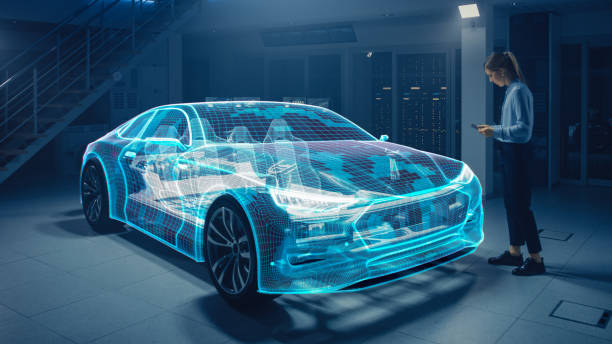
Cars have transformed the way humans travel, work, and live. From simple mechanical machines to intelligent, connected vehicles, the evolution of cars reflects technological progress, changing lifestyles, and growing environmental awareness. Understanding this journey helps us appreciate where the automotive world has been—and where it’s heading.
The Past: Birth of the Automobile
The early days of automobiles were defined by experimentation and mechanical innovation. The first cars were slow, noisy, and accessible only to a few. Powered by steam or early internal combustion engines, these vehicles replaced horse-drawn carriages and revolutionized personal mobility.
Mass production later made cars affordable to the general public, transforming societies by enabling long-distance travel, urban expansion, and new industries. Over time, this accessibility also expanded the pre-owned market, making options like used cars in murrieta more common and practical, allowing buyers to benefit from lower prices, wider vehicle selection, and dependable transportation while still enjoying the mobility revolution that reshaped modern lifestyles, commerce, and daily commuting patterns across communities.
Key characteristics of early cars:
Basic mechanical design
Limited speed and safety features
Manual controls
Petrol and steam engines
The Present: Smart, Safe, and Connected
Modern cars are a blend of performance, comfort, and technology. Today’s vehicles are equipped with advanced electronics, improved safety systems, and efficient engines designed for both power and fuel economy.
Digital dashboards, infotainment systems, navigation, and driver-assistance technologies have become standard. At the same time, environmental concerns have pushed manufacturers toward hybrid and electric vehicles.
Key features of modern cars:
Advanced safety systems (ABS, airbags, sensors)
Fuel-efficient and hybrid engines
Connected infotainment and navigation
Enhanced comfort and design
Cars today are not just transportation tools—they are mobile living spaces.
The Shift Toward Electric Vehicles
Electric vehicles (EVs) represent a major turning point in automotive history. Powered by batteries instead of fossil fuels, EVs aim to reduce emissions, lower running costs, and support sustainable mobility.
Governments and manufacturers worldwide are investing heavily in charging infrastructure and battery innovation, accelerating the transition from traditional engines to electric power.
The Future: Autonomous and Sustainable Mobility
The future of cars is driven by intelligence, automation, and sustainability. Self-driving technology, artificial intelligence, and smart sensors are paving the way for autonomous vehicles that can reduce accidents and improve traffic efficiency.
Future cars are expected to:
Drive themselves with minimal human input
Communicate with roads and other vehicles
Use clean energy sources
Offer fully personalized driving experiences
Mobility may shift from ownership to shared, on-demand transportation, changing how people interact with cars altogether.
Challenges Ahead
Despite exciting advancements, the automotive future faces challenges such as infrastructure development, data security, affordability, and environmental impact of battery production. Overcoming these challenges will shape how quickly new technologies become mainstream.
Final Thoughts
The evolution of cars—from mechanical inventions to smart machines—mirrors human innovation and adaptability. As we move toward electric, autonomous, and connected vehicles, cars will continue to redefine mobility, safety, and sustainability for generations to come.