
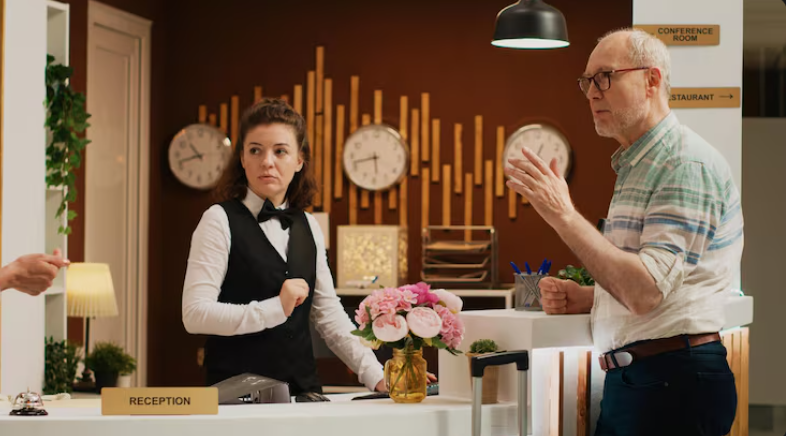
The Hotel Industry Faces a New Type of Guest Behavior
Hotel employees have always handled unusual situations, but the nature of guest requests has changed significantly in recent years. Travelers no longer ask only for extra towels, airport transfers, or restaurant recommendations. Modern tourism has created more personalized, technology-driven, and experience-oriented expectations that often surprise hotel staff.
The growth of digital culture also affects guest behavior. Travelers who spend time searching for entertainment options like ice fishing online frequently expect the same level of instant access, customization, and nonstop availability from hotels. As a result, front desk teams increasingly receive requests that go beyond standard hospitality operations.
Many hotel managers report that guest expectations are becoming less predictable because tourism itself has become more individualized. Travelers now expect hotels to adapt to personal lifestyles, work routines, diets, sleep habits, and social media activities.
Requests Related to Sleep and Room Conditions
One of the most common categories of surprising requests involves sleep conditions. Hotel staff often receive highly detailed demands related to temperature, noise, lighting, bedding, and even room orientation.
Some guests ask for:
Rooms facing a specific direction for sunrise visibility
Complete removal of decorative objects
Mattress replacements based on firmness level
Customized pillow combinations
Soundproofing adjustments
Air conditioning limits within exact temperature ranges
Hotel employees sometimes describe these requests as difficult because room infrastructure rarely allows full customization. Nevertheless, travelers increasingly treat hotel rooms as controlled personal environments rather than temporary accommodation.
Industry reports also show that guests now associate sleep quality with travel productivity. This is especially visible among business travelers and remote workers. Hotels increasingly receive requests for blackout curtains, white-noise devices, or rooms far from elevators and housekeeping zones.
The Rise of Remote Work Requests
Remote work has transformed hotel operations in unexpected ways. Front desk employees and concierge teams now receive requests that previously belonged more to office administration than hospitality.
Guests commonly ask for:
Additional monitors
Printers and scanners
High-speed backup internet
Ergonomic chairs
Video call lighting setups
Private meeting spaces inside guestrooms
Some travelers even request guarantees regarding internet latency or electrical outlet placement before booking.
This trend reflects the growth of “work-from-anywhere” culture. Hotels increasingly function as temporary workplaces, especially in cities with strong digital nomad communities. According to hospitality reports from 2025, hotels have observed a sharp increase in work-related guest demands during the past few years.
For hotel employees trained mainly in tourism service, these technical requests can create operational pressure because guests expect rapid solutions similar to office environments.
Social Media and Content Creation Demands
Another category that surprises hotel staff involves content production for social media platforms. Many travelers now organize trips around photography and video creation rather than traditional sightseeing.
Hotel teams increasingly receive requests such as:
Access to rooftops outside normal hours
Rearrangement of room furniture for filming
Decorative food presentation for photos
Empty pool access before sunrise
Special lighting in hotel spaces
Permission to use drones indoors or near balconies
Some guests also ask staff to participate directly in content production by taking repeated photographs or recording videos.
This behavior changes how hotels operate because visual presentation becomes part of the guest experience itself. Tourism analysts describe this as part of the wider shift toward “experiential travel,” where travelers prioritize shareable experiences and visual storytelling.
Hotel workers often report that these requests consume more time than traditional guest service because they require coordination between departments, security approval, and schedule adjustments.
Food Requests Continue to Become More Complex
Food-related requests remain one of the largest sources of operational surprises for hotel staff. Dietary restrictions have become more detailed, and guests increasingly expect kitchens to adapt completely to personal eating habits.
Hotels now regularly encounter:
Ingredient-specific meal preparation
Requests for foods not available locally
Exact calorie measurements
Personalized cooking schedules
Highly specific beverage temperatures
Unusual combinations of room service items
Hospitality publications have documented examples ranging from bathtubs filled with bottled water to room-service meals designed specifically for pets.
While some requests are linked to medical or cultural reasons, others reflect lifestyle preferences shaped by wellness trends, online influencers, and luxury travel culture.
For kitchen staff, the challenge often lies not in the complexity itself, but in the expectation of immediate fulfillment regardless of location or operational limitations.
Requests Connected to Personalized Experiences
Modern travelers increasingly expect hotels to organize experiences that extend beyond accommodation. Concierge departments now receive requests that once belonged to event agencies or private travel planners.
These include:
Private proposals with staged environments
Customized celebrations at unusual hours
Animal interactions
Destination-specific performances
Highly detailed surprise events
Hospitality industry reports continue documenting requests involving weather changes, unusual transportation arrangements, or highly theatrical romantic scenarios.
This trend reflects the transformation of tourism into experience-based consumption. Travelers often value memorable moments more than traditional hotel luxury. In many cases, guests expect hotels to become producers of personalized experiences rather than providers of rooms.
Technology Has Changed Guest Expectations
One reason hotel requests now seem more surprising is that digital technology has reduced tolerance for delays and limitations. Travelers are accustomed to apps and online services that respond immediately to personal preferences.
As a result, guests increasingly expect:
Instant communication
24-hour operational flexibility
Fully personalized service
Immediate problem solving
Constant availability of hotel staff
This creates pressure on employees because many requests are not technically impossible, but operationally unrealistic within standard hotel systems.
Research on hospitality workplaces also shows that hotel employees are adapting to greater use of automation and digital tools while still managing highly personal guest interactions.
The result is a hospitality environment where hotel workers must balance efficiency, personalization, and emotional management at the same time.
Unusual Requests Reflect Broader Tourism Changes
Many surprising hotel requests are not random. They reflect larger changes in tourism behavior, digital culture, remote work, and consumer psychology.
Travelers increasingly treat hotels as:
Temporary homes
Workspaces
Content studios
Wellness environments
Social event locations
Because of this shift, hotel employees now handle a much broader range of expectations than in previous decades.
What surprises hotel staff today is often connected not to luxury, but to personalization. Guests increasingly expect hotels to adapt to their individual routines instead of adapting themselves to hotel systems.