
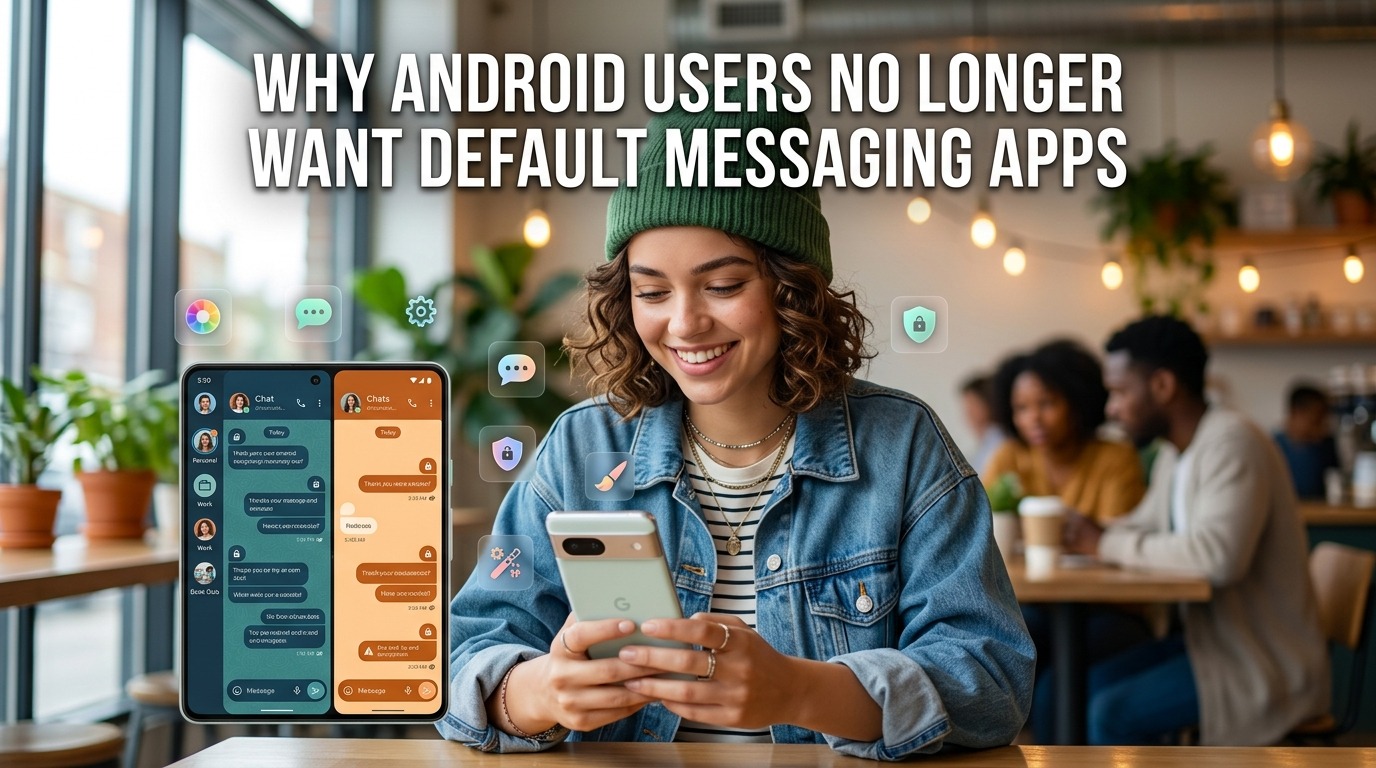
Android users are no longer satisfied with simple messaging apps that offer only basic chat features. In 2026, people expect more personalization, stronger privacy, better media sharing, and a messaging experience that matches their digital lifestyle. This growing demand is one reason why searches related to whatsapp gb continue increasing among users looking for enhanced customization and advanced communication features.
Messaging apps are now part of everyday identity. Just like users customize wallpapers, widgets, fonts, and social media profiles, they also want more control over how their messaging apps look and function. A plain default interface no longer feels exciting for many Android users who prefer flexibility and personalization.
Users exploring Android customization trends often discover platforms like WA GB Apps, where messaging personalization and advanced WhatsApp features remain popular topics among Android communities.
Why Android Users No Longer Want Default Messaging Apps
The biggest reason behind this shift is simple: users want more freedom. Most stock messaging apps focus on minimalism and stability, but modern Android users expect advanced features that improve both appearance and usability.
People increasingly prefer apps that allow them to personalize:
chat themes and wallpapers
privacy settings
font styles
notification controls
media sharing options
interface layouts
For many users, messaging is no longer just about sending texts. It has become part of how they communicate their personality online.
This trend is especially visible among younger Android users who spend hours daily on messaging platforms. They want apps that feel modern, stylish, and customizable rather than limited and identical to everyone else’s interface.
Personalization Is Now a Core Part of the Messaging Experience
Android has always attracted users who enjoy customization. Over the years, that culture expanded far beyond launchers and icon packs. Messaging apps became one of the most personalized parts of the smartphone experience.
Many users now prefer:
custom chat colors, aesthetic fonts, personalized stickers, custom notification sounds, themed interfaces, and advanced appearance settings. These features help users create a messaging environment that feels unique instead of generic.
The popularity of stylish fonts and customized bios on social platforms also influenced messaging behavior. People want consistency across their digital identity, from Instagram profiles to WhatsApp themes and chat layouts.
This demand for customization explains why interest in enhanced Android messaging ecosystems keeps growing worldwide.
Privacy Expectations Have Changed Completely
Another major reason users move beyond default messaging apps is privacy control. Modern users are far more aware of online visibility and communication privacy than they were a few years ago.
Today, many people want options such as hidden online status, frozen last seen, selective read receipts, app locking, and hidden chats. These tools provide a stronger sense of control over personal communication.
A student from Malaysia shared in an Android forum discussion that customized messaging features helped reduce distractions during study sessions because she could read messages privately without appearing online constantly. Experiences like this show that privacy features are not only about secrecy but also about convenience and digital wellbeing.
Default apps often provide only limited privacy customization, which pushes many Android users to explore alternatives that better match their preferences.
Android Users Want Messaging Apps That Feel More Flexible
Flexibility is one of Android’s biggest strengths. Users enjoy having the ability to modify their devices according to personal needs, and they expect the same flexibility from messaging apps.
This is why searches related to gb wa and advanced messaging customization continue trending across Android communities and social discussions.
Many users now expect:
larger media sharing limits, better file management, multiple account support, enhanced theme systems, and improved control over chat organization. These features make messaging more practical and enjoyable for daily use.
Instead of accepting a fixed experience, Android users increasingly prefer apps that adapt to their lifestyle and communication habits.
Messaging Apps Have Become Digital Lifestyle Platforms
Modern messaging apps are no longer basic communication tools. They now combine entertainment, social interaction, content sharing, personal branding, and productivity in one place.
Someone who spends time creating aesthetic social media profiles often wants the same level of personalization in messaging apps. Themes, emojis, custom fonts, and visual customization all contribute to a more engaging communication experience.
As digital culture continues evolving, messaging personalization is becoming more important than ever. People want apps that feel expressive, modern, and aligned with their personal style.
Default vs Customized Messaging Experience
Feature | Default Messaging Apps | Customized Messaging Apps |
Theme Options | Limited | Extensive |
Privacy Controls | Basic | Advanced |
Interface Personalization | Minimal | Highly Flexible |
Font Customization | Limited | Enhanced |
Media Sharing | Restricted | More Flexible |
Multiple Account Support | Often Limited | Better Support |
This growing difference in user experience explains why more Android users are exploring messaging platforms with advanced customization capabilities.
Frequently Asked Questions
Why do Android users prefer customized messaging apps?
Most users want more personalization, stronger privacy controls, and additional features that default messaging apps usually do not provide.
Are messaging customization trends growing in 2026?
Yes. Android personalization continues growing rapidly as users seek better control over themes, privacy, and communication settings.
Why are themes important in messaging apps?
Themes help users personalize their communication environment and create a more visually enjoyable experience.
What privacy features are users searching for most?
Features like hidden online status, frozen last seen, app locks, and selective read receipts remain highly popular.
Why do younger users prefer personalized messaging platforms?
Younger audiences often see messaging apps as part of their online identity and prefer apps that reflect their style and preferences.
Final Thoughts
Android users now expect messaging apps to offer much more than simple text communication. Personalization, privacy, flexibility, and visual customization have become essential parts of the modern messaging experience.
As messaging apps continue evolving into lifestyle platforms, users increasingly search for experiences that provide greater control and self-expression. That growing demand explains why customization-focused Android messaging communities continue expanding in 2026.